
FEES: £70 per self-funded session, £85 for insurance companies.
Therapies for Eating Disorders including Binge Eating, Bulimia and Atypical Anorexia
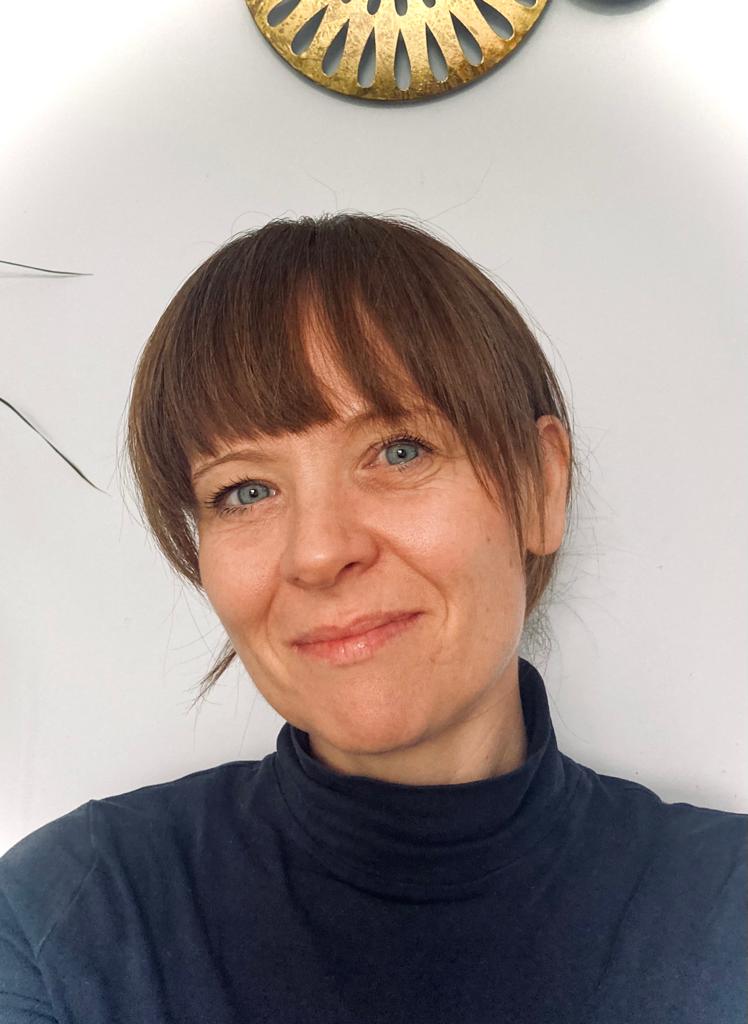
I’m Pascale Palazzo (MBACP Accred), an integrative therapist and clinical supervisor running weekly one-to-one therapy sessions. I integrate various therapeutic interventions to help you overcome body image and eating distress, and move towards the life you deserve.
I am a registered and accredited member of the BACP working under their ethical guidelines. You can find me on the BACP website, Counselling Directory and Psychology Today
I have a wide reach across the UK, as I offer weekly one-to-one sessions online via Zoom. You may wish to book a free consultation lasting up to 20 minutes, so we can meet each other first and discuss what you’re looking for support with, see if we are a good fit and if I may be able to help.
The process then begins with an assessment questionnaire for you to complete securely online before our first session. This will help to inform a way forward that is right for you, and together we will gradually start to make sense of your situation and explore how to move forward.

Together we will explore your eating habits, your internal world and any life challenges you may be facing.
Recovery from eating disorders is about enabling you to have a flexible diet, eaten in different contexts and with other people without shame or restraint. The aim is to help you feel able to take care of yourself emotionally and nutritionally and improve your body image and subjective sense of yourself. Therapy is about more than your relationship with food; it is about helping you to improve your relationship with yourself. Importantly, we want to work on building something bigger than the eating disorder, enabling you to feel more emotionally resilient, to accept yourself, and to expand the domains of your self-worth so that restriction and/or other compensatory behaviours are no longer the only way of feeling good about yourself.
Recovery means feeling you deserve to eat what you need to eat, which comes along with a renewed sense of self-esteem and a general desire to look after yourself. It involves helping you to eat a wide variety of foods without being worried about losing control, seeing no food as forbidden, and if bingeing or compulsive eating is an issue, losing any abnormal cravings.
Eating disorders can indicate an attempt to use (or restrict) food as a coping mechanism and a way to manage overwhelming feelings and situations. Difficulties in emotional regulation, low self-worth, high sensitivity and perfectionism can all be factors that impact the development of eating disorders.
Perfectionism is a common trait for many of us experiencing eating distress, resulting in a drive towards strict aesthetic standards, for example, the relentless pursuit of thinness or a perfect musculature, and by proxy causing us to be overly self-critical. The acceptance and approval we don’t give to ourselves we seek from others and our self-worth becomes dependent on the unrealistic attainment of the strict goals we punish ourselves with. Managing perfectionism and releasing ourselves from the grip of our guesswork in how others perceive us, are often vital in our recovery from eating distress.
Unmet needs can sometimes lead us to develop inaccurate and damaging beliefs about ourselves, particularly for those of us who may be highly sensitive. For example, deep down we may feel we are less than others, or even unloveable or worthless. We may then have a tendency to excessively compare ourselves to others whom we see as better.
We may have a heightened need for others’ approval and expect to be rejected in some way and this may lead us to set unrealistically high standards for ourselves and compare ourselves negatively to others. There may also be an ’emotional hunger’ associated with urges to binge, alongside the force of habit (and certain physiological imbalances which can result from dietary chaos, further driving the abnormal cravings involved in bingeing).
Striving for self-reliance can often create a tendency to distance ourselves from overwhelming emotions. For some people with eating disorders, restricting food is thought to be useful for numbing or detaching from emotions, also called ’emotional blanking,’ and compulsive eating can sometimes become a way to distract ourselves from overwhelming feelings.
Trauma can be a trigger for the development of an eating disorder and can also play a part in maintaining it, and it is therefore helpful to address traumatic experiences during recovery. It is also important to remember that eating disorders do also develop without significant trauma being experienced and that genes have been discovered in the development of eating disorders. The conducive environment for these genes to be expressed is the restriction of food itself and this most commonly occurs due to dieting. However, the restriction (and hence gene expression) can also be triggered by factors initially unrelated to body image in the first instance, such as illness, shock or stress, for example.